

Am I Better Leasing or Buying an Electric Vehicle Right Now in the UK?
.jpeg)
The decision to switch to an electric vehicle (EV) is a big step for many UK drivers. With the 2030 ban on new petrol and diesel cars approaching and growing concern about running costs and environmental impact, more people are now considering whether they should buy or lease an EV.
But which option makes the most sense right now?
The Case for Leasing an Electric Vehicle
Leasing an EV has become increasingly popular in the UK, and for good reason. First, leasing allows drivers to avoid the large upfront cost of buying a new electric car outright.
With prices for new EVs often starting at £30,000 and climbing well beyond £70,000 for premium models, the initial outlay can be daunting. A lease spreads this cost into manageable monthly payments.
Second, technology in the EV market is advancing rapidly. Battery ranges are improving every year and new models with better charging speeds and features are appearing all the time. Leasing lets you upgrade your car every two to four years, so you’re not stuck with outdated technology or worrying about resale values in a fast-changing market.
Maintenance can also be simpler with a lease. Many lease deals include servicing and breakdown cover, and because you hand the car back at the end of the term, you don’t have to worry about selling it or how much it might depreciate.
The Case for Buying an Electric Vehicle
Buying outright or on finance is still attractive for those who prefer ownership. Over the long term, owning an EV can be cheaper than leasing, especially if you plan to keep the car for more than five years.
Once the finance is paid off, you have a car with no monthly payments, just the running costs. Although if you buy using a PCP you will not have paid it off at the end of the PCP term.
Some people also prefer the freedom of ownership. There are no or less mileage restrictions to worry about, and you can modify the vehicle if you wish. You also have the option to sell it at any time and recoup some of your initial investment.
With EVs, the cost of servicing and maintenance is typically lower than for petrol or diesel cars because there are fewer moving parts. Plus, owners can benefit from Government grants for installing home chargers, and lower road tax for fully electric cars.
Other Factors to Consider
Your annual mileage is a key factor. If you drive high miles each year, leasing can be less appealing due to mileage limits and excess charges. If you cover lots of miles, owning might be the better option.
Likewise, if you like to change cars frequently and want to avoid the hassle of selling, leasing is more convenient. But if you want to hold onto a car long-term and don’t mind managing resale, buying could save you money.
It’s also worth noting that used EVs are becoming more common. Buying a nearly new electric car outright can reduce the upfront cost and avoid the steepest part of the depreciation curve.
Final Thoughts
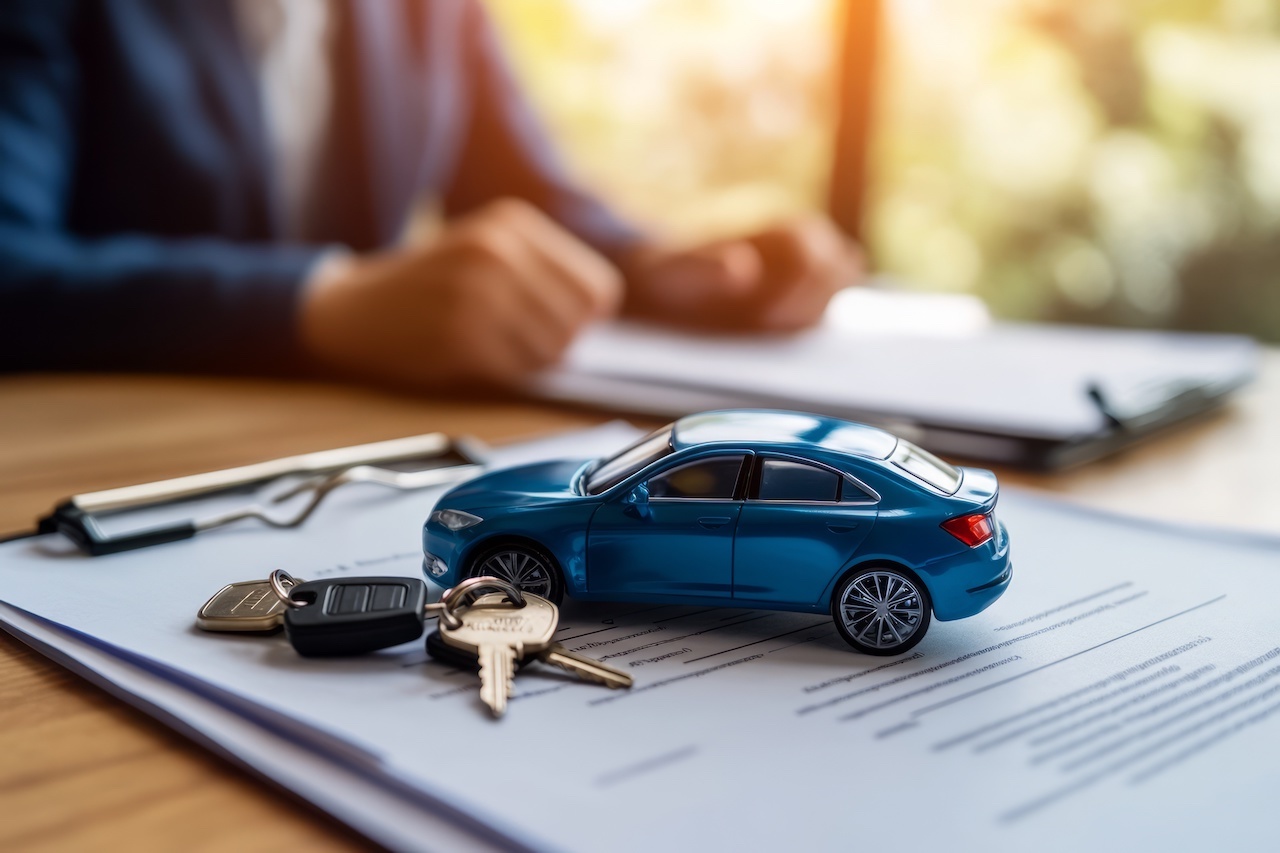
There’s no one-size-fits-all answer. Leasing makes sense if you value convenience, predictable costs, and the latest technology. Buying could be the smarter option if you want long-term savings and the freedom that comes with ownership.
If you’re unsure, get quotes for both leasing and buying the same model. Compare total costs over the same period — including insurance, servicing, and any excess mileage charges — and see what fits your budget and lifestyle best.
Whichever route you choose, one thing is certain: now is a good time to go electric. With lower running costs, Government incentives, and a growing public charging network, making the switch is easier than ever.
nev leasing are personal and fleet management specialists helping and empowering our clients in the transition to electric vehicles.
Our team will be delighted to speak with you to discuss your personal circumstances and can offer industry leading experience and advice.
Why not contact us today for an initial chat and let us help you get to where you want to go




![HYUNDAI I10 1.0 [63] Premium 5dr [Nav]](https://cdn.automotus.uk/store/CVD/car/104620/front_view/i10-hatch-hyi0-25.jpg)