

Electric Vans for Small Businesses and Trades in Essex Has the Case for Going Electric Ever Been Stronger?
Share on:
.jpg)
For many small businesses and tradespeople across Essex and the UK, the commercial vehicle landscape is changing rapidly. Rising diesel prices, increasing pressure to reduce emissions and significant advances in electric vehicle technology mean that electric vans are no longer a niche option reserved for large fleets.
In fact, for many local businesses, electricians, plumbers, builders, delivery companies and service engineers, the case for switching to an electric van has never been stronger.
The Rising Cost of Running Diesel Vans
The traditional diesel van remains a popular choice for UK businesses, but with fuel costs remaining unpredictable and many vehicles returning around 30 miles per gallon in real-world driving conditions, running costs continue to increase.
For businesses operating several vehicles, fuel expenditure represents one of the largest operating costs. Even a small reduction in fuel spend can have a significant impact on profitability.
At the same time, businesses operating in and around London face additional considerations, including emissions regulations and the growing focus on sustainability from customers and suppliers alike.
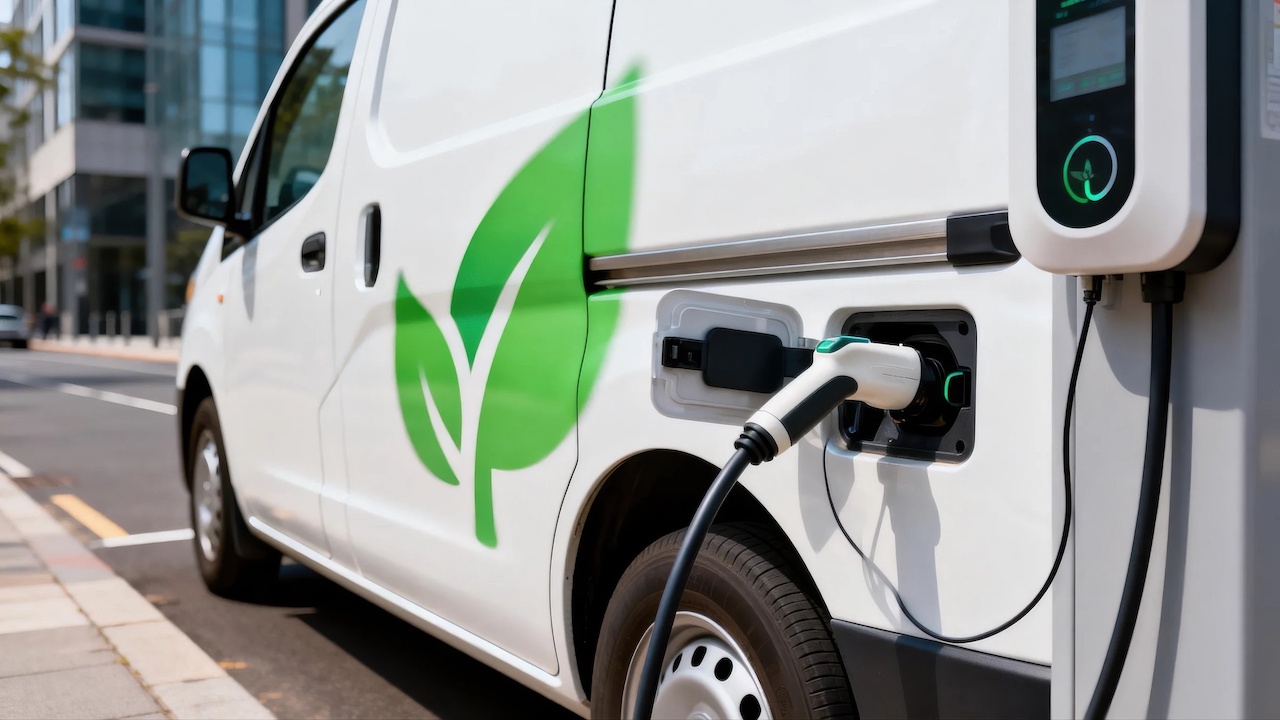
Electric Van Technology Has Moved On
One of the biggest barriers to electric van adoption has traditionally been range anxiety. However, the latest generation of electric commercial vehicles offers significantly improved battery technology and driving ranges.
Volkswagen ID. Buzz Cargo has become one of the standout electric vans on the market, offering a real-world operating range approaching 275 miles depending on specification and usage.
Similarly, the new Kia PV5 has entered the market with impressive range capabilities and a practical design aimed directly at commercial operators.
Meanwhile, businesses requiring larger panel vans can now consider the latest Ford Transit Custom Electric and Volkswagen Transporter T7, both offering ranges comfortably exceeding 200 miles in many operating conditions.
For businesses that operate locally and return to base every evening, these ranges are often more than sufficient.
Which Businesses Are Best Suited to Electric Vans?
Electric vans are particularly attractive for businesses that operate within a relatively predictable geographical area.
Examples include:
- Electricians
- Plumbers
- Heating engineers
- Property maintenance companies
- Delivery businesses
- Facilities management companies
- Local authorities
- Cleaning companies
- Mobile service engineers
- Trades operating throughout Essex and Greater London
If your business typically starts and finishes at the same location each day, overnight charging can significantly reduce operating costs while removing the need for regular fuel station visits.
For Essex businesses travelling into London, electric vans can also help reduce exposure to future emissions charges and environmental restrictions.
Understanding Payload and Practicality
Whilst the benefits of electric vans are increasingly compelling, businesses still need to consider operational requirements carefully.
Payload capacity remains a critical factor. Modern electric vans can be fitted out much like their diesel equivalents, including:
- Shelving systems
- Tool storage
- Racking systems
- Refrigeration units
- Specialist trade conversions
However, additional weight impacts vehicle efficiency and overall range.
Similarly, roof racks, roof boxes and ladder storage systems increase aerodynamic drag and can reduce achievable driving range significantly.
The last thing any business wants is a vehicle or employee sitting idle for 40 to 60 minutes during the working day waiting for a recharge.
This is why careful analysis of routes, daily mileage, payload requirements and charging facilities is essential before making the switch.
Should You Buy or Lease an Electric Van?
Once a business decides that an electric van may be suitable, the next question is often whether to purchase outright or lease.
There are advantages and disadvantages to both approaches.
Buying an Electric Van
Purchasing an electric van outright can provide attractive tax benefits. Businesses may be able to take advantage of the Annual Investment Allowance, allowing up to 100% of the purchase cost to be written down against profits, subject to individual circumstances.
However, ownership also means carrying the risk of depreciation.
Given the pace of battery technology development and uncertainty surrounding future residual values, predicting what an electric van will be worth in three, four or five years' time remains challenging.
Leasing an Electric Van
For many businesses, contract hire and vehicle leasing provide a more predictable alternative.
Leasing offers several potential advantages:
- Fixed monthly costs
- No residual value risk
- Lower initial capital outlay
- Improved cash flow management
- Potential tax efficiencies
- Easier vehicle replacement cycles
Of course, businesses should also consider end-of-contract conditions, particularly where vehicles experience heavy trade usage or significant wear and tear.
Don't Forget Maintenance Costs
Whether buying or leasing, businesses should also consider the ongoing cost of maintaining their vehicles.
Many electric van finance and leasing agreements can include comprehensive maintenance packages covering:
- Routine servicing
- Repairs
- Maintenance
- Replacement tyres
- Breakdown assistance
This can provide valuable budgeting certainty and help businesses avoid unexpected operating costs.
Is Now the Time to Switch?
Electric vans may not yet be the right solution for every business. However, for many local tradespeople, service businesses and companies operating throughout Essex and London, the economics are becoming increasingly difficult to ignore.
Lower running costs, improving vehicle range, tax advantages and reduced exposure to future environmental regulations all strengthen the case for switching.
At NEV Leasing, we work with businesses throughout Essex and across the UK to help determine whether buying or leasing an electric van is the right decision for their operation, helping businesses choose the vehicle and funding
Why not contact us today for an initial chat and let us help you get to where you want to go.




![HYUNDAI I10 1.0 [63] Premium 5dr [Nav]](https://cdn.automotus.uk/store/CVD/car/104620/front_view/i10-hatch-hyi0-25.jpg)