

How Do I Work Out if Electric Vans Could Work for My Business in the UK?
Share on:
.JPG)
Electric vans are no longer a futuristic concept or a niche solution for urban delivery companies — they’re now a serious, practical option for many UK businesses.
With running costs often lower than diesel equivalents and government incentives still available, switching to electric could make both financial and environmental sense.
But how do you know if they’re right for your operation? Here’s how to assess whether electric vans could work for your business.
Understand Your Daily Driving Patterns
The first step is to look carefully at how and where your vans are used. Electric vans excel on predictable, shorter routes, particularly in towns and cities where stop-start driving is common.
Most models today offer real-world ranges of between 120 and 220 miles per charge, depending on size, load, and driving conditions.
If your vehicles typically travel less than 150 miles a day and return to the same depot each night, an electric van could fit perfectly into your routine. Even if you occasionally have longer trips, it’s worth checking whether intermediate charging points or rapid chargers could bridge the gap.
Many telematics systems or even basic mileage logs can help you analyse actual daily distances, dwell times, and energy usage — giving you a realistic view of your needs.
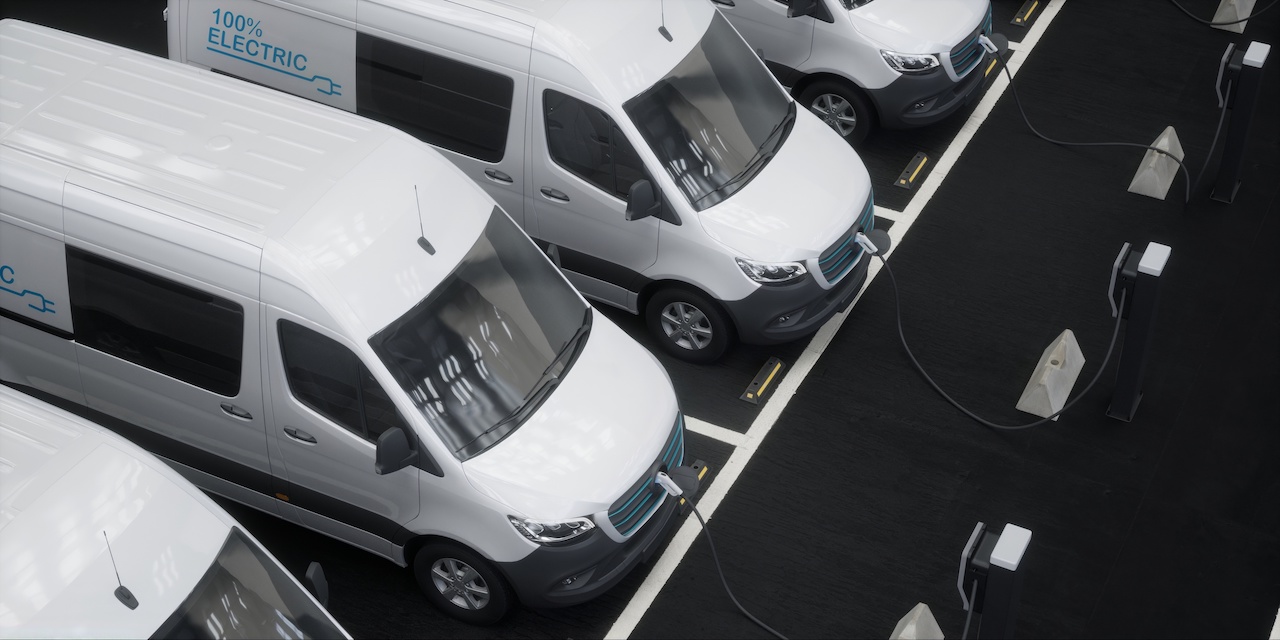
Check the Types and Sizes of Electric Vans Available
The market for electric vans has expanded rapidly. Manufacturers such as Ford, Mercedes-Benz, Peugeot, Renault, Nissan, Maxus and Volkswagen all offer electric models across various sizes — from compact city vans to large panel vans capable of carrying over 1,000 kg of payload.
Crucially, most electric versions can be fitted out just like their diesel equivalents. Racking, refrigeration units, ladder racks, and specialist conversions are now widely available. Many converters are fully equipped to work with electric platforms, so you don’t have to compromise on the way your vans are set up.
If you operate a mixed fleet, you might find that starting with one or two electric vans in specific roles (such as local deliveries) is a good way to test the technology before committing to a full conversion.
Evaluate the Charging Options
Charging is often the biggest consideration for businesses thinking about going electric. The good news is that the UK’s charging network continues to grow, with thousands of public chargers available and rapid charging points being installed along major routes.
However, for commercial use, on-site charging is usually the most efficient option. Workplace chargers allow you to charge vehicles overnight or during downtime, taking advantage of cheaper off-peak electricity rates.
Government support can help here. The Workplace Charging Scheme (WCS) provides a grant covering up to 75% of the cost of installation (capped at £350 per socket, up to 40 sockets per site). There are also grants for installing charge points in leased premises or fleet depots.
Before installation, check your site’s electrical capacity and consider future expansion — it’s easier to plan extra charging points now than retrofit them later.
Compare the Costs
While electric vans usually have higher upfront prices, total running costs can be significantly lower. Electricity is cheaper than diesel per mile, and maintenance costs are typically reduced by 30–40% because there are fewer moving parts and no exhaust systems, clutches or oil changes.
You’ll also benefit from lower road tax and exemption from London’s ULEZ and congestion charges, which can represent a huge saving for city-based fleets.
To get an accurate picture, calculate the Total Cost of Ownership (TCO) — factoring in purchase or lease cost, fuel, maintenance, taxes, and incentives.
Many leasing providers and manufacturers now offer online calculators to help with this comparison.
Consider Environmental and Brand Benefits
Switching to electric vans can also enhance your company’s reputation. Clients increasingly expect suppliers to demonstrate environmental responsibility, and having a low- or zero-emission fleet sends a strong message about sustainability.
Electric vans produce no exhaust emissions, helping to improve local air quality and reduce your business’s carbon footprint.
This can be a valuable marketing advantage, especially if your company operates in the public sector supply chain or with environmentally conscious customers.
Plan a Gradual Transition
For most businesses, going fully electric doesn’t have to happen overnight. Many start with a pilot programme — introducing a small number of vans and tracking performance, costs, and driver feedback over several months.
This trial period allows you to address practical issues such as charging schedules, load management, and driver training. Once you understand the real-world impact, you can scale up confidently.
Final Thoughts
Electric vans are now viable for a wide range of UK businesses — from tradespeople and local delivery firms to service fleets and logistics operators.
By analysing your routes, checking your charging options, and weighing up costs and benefits, you can make an informed decision about whether electric vans could work for you.
With incentives still in place and running costs continuing to fall, there’s never been a better time to explore the switch. Even a partial move to electric could bring meaningful savings — and a cleaner, greener future for your business.

nev leasing are personal and fleet management specialists helping and empowering our clients in the transition to electric vehicles.
Our team will be delighted to speak with you to discuss your personal circumstances and can offer industry leading experience and advice.
Why not contact us today for an initial chat and let us help you get to where you want to go.




![HYUNDAI I10 1.0 [63] Premium 5dr [Nav]](https://cdn.automotus.uk/store/CVD/car/104620/front_view/i10-hatch-hyi0-25.jpg)