

How Does Winter Affect My Electric Vehicle Range and What Can I Do About It?
Share on:
.jpeg)
As the colder months approach, many electric vehicle (EV) owners begin to wonder how dropping temperatures might affect their driving range.
While EVs are more efficient than traditional petrol or diesel cars, they are also more sensitive to environmental factors such as temperature. Winter conditions can reduce an EV’s range, sometimes quite noticeably, but with some preparation and smart driving, the impact can be minimised.
Why Does Cold Weather Reduce EV Range?
Battery chemistry and efficiency:
At the heart of every EV is a lithium-ion battery, which stores and delivers the energy needed to power the vehicle.
These batteries operate most efficiently in mild conditions — typically between 20°C and 25°C. In cold weather, the chemical reactions that release energy inside the cells slow down.
This reduces the amount of usable energy available, even if the display shows the battery as fully charged. The colder it gets, the greater the effect.
Cabin heating and comfort can affect EV range:
Heating is another major factor. A petrol or diesel engine produces a lot of waste heat, which can be redirected to warm the cabin at little additional energy cost. EVs do not have this luxury.
To keep the cabin comfortable, the car must draw power directly from the battery to run heating elements, heated windscreens, or climate control systems. In very cold conditions, heating the interior can be one of the single largest drains on the battery after driving itself.
Rolling resistance and road conditions:
Cold air and road surfaces also play a part. Lower temperatures increase tyre rolling resistance, meaning the battery has to work harder to turn the wheels.
Wet or icy roads add further drag and resistance. These factors combine to demand more energy per mile, again reducing range.
Regenerative braking limitations:
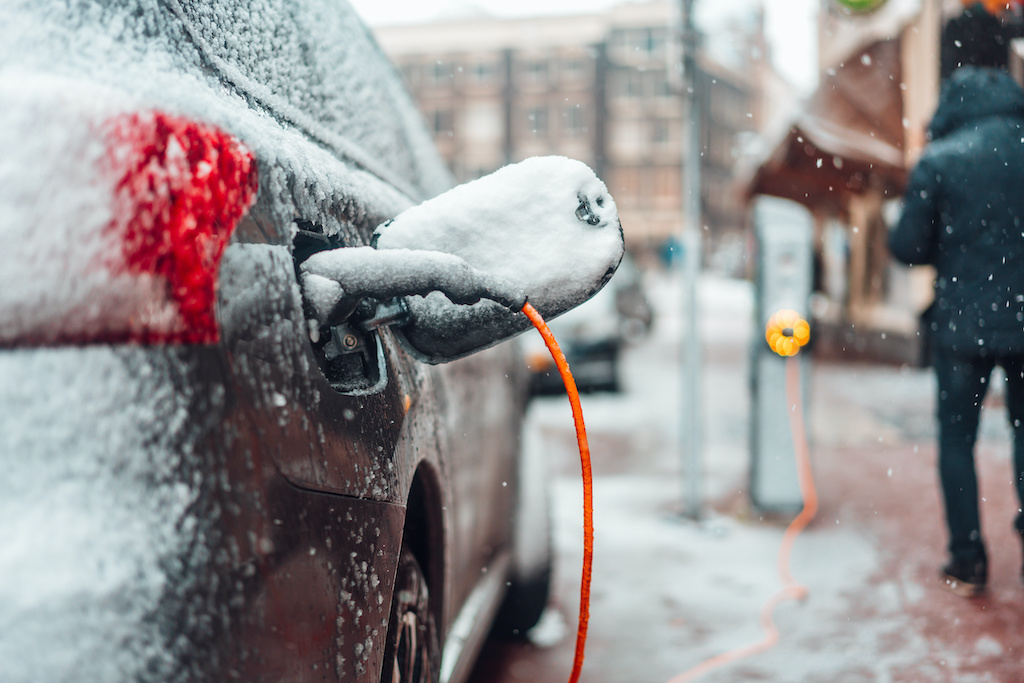
EVs are designed to recover energy when slowing down through regenerative braking, sending some of that power back into the battery. But when the battery is very cold, it cannot absorb charge efficiently. As a result, regenerative braking becomes less effective, which means more energy is lost rather than recycled.
How Much Range Is Typically Lost?
The exact loss depends on the make and model of the vehicle, the outside temperature, and how the car is driven.
Many EV owners report a reduction of between 10% and 30% in winter. For example, a vehicle that comfortably delivers 250 miles in summer may only manage 200 miles or less in colder weather. In severe conditions, especially if the heater is used heavily, the reduction can be even greater.
While this can sound alarming, careful preparation can keep the impact under control.
How to Reduce the Impact of Winter on EV Range
The good news is that there are several practical steps EV drivers can take to protect range and maintain efficiency during the winter months.
Precondition your car:
Most modern EVs allow you to preheat the cabin and battery while the car is plugged in.
This process, known as preconditioning, ensures that both the interior and the battery are at an optimal temperature before you set off and, because the vehicle is still connected to the mains, the energy comes from the grid rather than the battery, preserving range for the journey ahead.
Use heating systems wisely:
Heating the entire cabin is energy-intensive. If your EV is equipped with heated seats or a heated steering wheel, use them as they are far more efficient at keeping you warm.
Dressing appropriately and setting the cabin temperature a little lower can also make a significant difference.
Keep your car plugged in where possible:
Leaving your EV plugged in overnight or between journeys allows the battery management system to regulate the temperature of the cells.
This prevents deep cooling and helps the battery remain in its optimal operating window, reducing the performance hit when you next set off.
Plan journeys with charging in mind:
Be realistic about the range available in winter and allow some margin for comfort. Use in-car route planners or charging apps to identify charging stations along your route, particularly for longer trips.
Planning ahead reduces stress and helps avoid situations where you are relying on the last few miles of range.
Drive smoothly and efficiently:
Efficient driving habits make a bigger difference in cold weather.
Accelerate gradually, maintain steady speeds, and avoid unnecessary harsh braking. Smooth driving not only conserves battery power but also reduces the need for heating, as the cabin warms more gradually.
Monitor and maintain the EV tyres:
Cold weather reduces tyre pressures, which increases rolling resistance and energy consumption. Check tyre pressures regularly and keep them at the manufacturer’s recommended levels.
Winter or all-season tyres can also provide better grip and efficiency in low temperatures.
Park strategically:
Whenever possible, park your EV in a garage or sheltered location. Even a modest reduction in overnight exposure to freezing conditions can help the battery perform better the next day.
If parking outdoors, try to choose a sunny spot, as even weak winter sunlight can help to keep the car a little warmer.
The Bottom Line
Winter does have a noticeable effect on electric vehicle range, but it is neither surprising nor insurmountable.
Cold temperatures slow down battery chemistry, heating demands add extra load, and road conditions increase energy use. The result is often a 10–30% reduction in range compared with summer driving.
However, EV technology is designed with these challenges in mind, and drivers have a range of tools to mitigate the impact.
Preconditioning, smart use of heating, efficient driving, and careful planning all help to preserve range and ensure reliable performance.
For both private owners and company car drivers, the key is awareness and preparation. By adjusting habits and making the most of available technology, you can keep your EV running smoothly and confidently, even throughout the coldest winter months.


NEV Leasing are personal and fleet management specialists helping and empowering our clients in the transition to electric vehicles.
Our team will be delighted to speak with you to discuss your personal or business circumstances and can offer industry leading experience and advice.
Why not contact us today for an initial chat and let us help you get to where you want to go.




![HYUNDAI I10 1.0 [63] Premium 5dr [Nav]](https://cdn.automotus.uk/store/CVD/car/104620/front_view/i10-hatch-hyi0-25.jpg)