

How well developed is the EV infrastructure in Suffolk, Essex and Norfolk ?
.jpeg)
Electric vehicles are becoming a familiar sight on the roads of East Anglia. As more people consider switching from petrol or diesel, the availability of charging points is often the deciding factor.
Nobody wants to risk running out of charge in a rural lane or find that the only nearby charger is out of order. Suffolk, Essex and Norfolk are all investing heavily in EV infrastructure, but each county is at a slightly different stage in the journey.
Suffolk: a county with ambitious plans
Suffolk has set out one of the boldest strategies in the region. The county council has committed to installing around six thousand new charging points, backed by over seven million pounds of government funding.
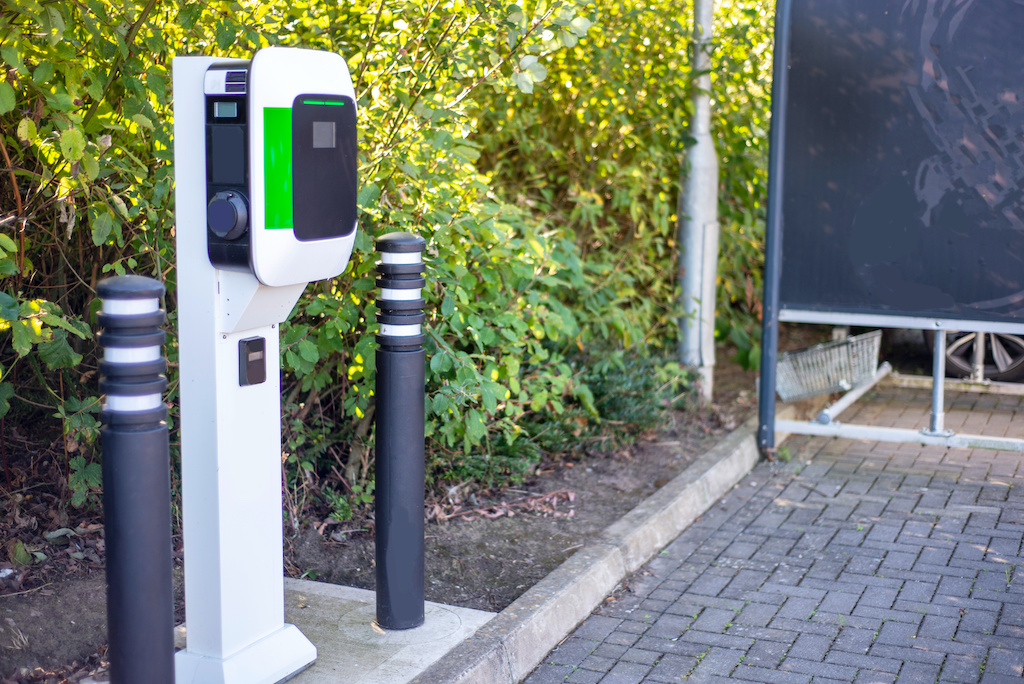
This investment is focused on solving a practical problem: about a quarter of households in Suffolk don’t have a driveway, so overnight charging at home simply isn’t an option. The plan is to place kerbside bollard-style chargers on residential streets, as well as adding units to village halls, community centres and car parks.
The approach mixes slower chargers that are ideal for leaving your car overnight with rapid and ultra-rapid chargers for quicker top-ups in public places.
Community involvement has also been central, with more than sixty venues such as scout huts and sports clubs signing up to host charge points. If the rollout keeps pace, Suffolk could soon become one of the best-equipped counties in East Anglia. For now, though, many of the new chargers are still at the planning and installation stage.
Essex: catching up quickly
Essex has been slower off the mark, but it is moving quickly to catch up. The county currently has under eight hundred public charge points, but has set itself the ambitious target of reaching six thousand by 2030.
More than eight million pounds has been secured through national funding schemes, and work is already under way in towns such as Chelmsford, Colchester, Epping and Harwich.
While the larger towns are beginning to build up a reasonable network, some districts remain poorly served. Places like Brentwood, Castle Point and Maldon have very few public chargers, leaving local EV drivers short of options.
Essex’s challenge is to spread the benefits evenly across both urban and rural communities while also keeping up with rapidly rising demand. The expansion plans are encouraging, but with EV ownership climbing sharply, progress will need to be steady and visible if the county is to avoid bottlenecks.
Norfolk: steady growth but rural challenges
Norfolk has already put more than seven hundred public charging stations in place. The county has encouraged businesses and community groups to get involved through its “Plug in Norfolk” scheme, which has brought charge points to smaller towns and villages as well as to the city of Norwich.
On-street charging is being rolled out in the city too, with dozens of new points designed to serve residents who lack off-street parking.
The biggest hurdle for Norfolk is its geography. It is a large, rural county, and away from the city and major towns, chargers are still relatively sparse.
For drivers heading into the Broads or up to the North Norfolk coast, careful planning is still needed to make sure a working charger is within reach.
Planning delays and the need for stronger grid connections have also slowed some projects. Norfolk has made a solid start, but expanding coverage into the countryside will be crucial if EVs are to be practical for everyone.
The road ahead for East Anglia
Taken together, Suffolk, Essex and Norfolk are moving in the right direction. Suffolk has momentum and large-scale funding on its side. Essex has ambitious targets and a lot of catching up to do. Norfolk has already made visible progress, but needs to stretch further into its rural heartlands.
Charger availability is improving
For drivers, this means the situation is improving year by year. More chargers are coming, not just in big towns but also in community venues and residential streets.
The real test will be whether installation keeps up with the growing number of electric vehicles on the road, and whether the chargers are reliable, affordable and fast enough to meet everyday needs.
East Anglia is unlikely to rival London for density of charge points any time soon, but by the end of this decade the region should feel far more welcoming to EV drivers. For now, it still pays to plan your routes and check availability before a long journey.
In the near future, though, the prospect of driving electric across Suffolk, Essex and Norfolk should feel far less daunting and far more convenient.
nev leasing are personal and fleet management specialists based in East Anglia, helping and empowering our clients in the transition to electric vehicles.
Our team will be delighted to speak with you to discuss your personal circumstances and can offer industry leading experience and advice.
Why not contact us today for an initial chat and let us help you get to where you want to go
