

Lease or Buy a Business Vehicle: Which Actually Costs Less for an SME in the UK?
Share on:
.jpeg)
For many UK SMEs, a vehicle is more than just a means of transport. It’s a working asset, a mobile advert and, in some cases, the backbone of day-to-day operations.
Yet one question continues to divide business owners: Is it cheaper to lease a business vehicle or to buy one outright?
The answer is not as straightforward as it first appears. What costs less on paper does not always cost less in reality, particularly once cashflow, tax and long-term risk are taken into account.
The True Cost of Buying
Buying a vehicle has long been seen as the traditional and sensible route. You pay for it, you own it, and once the finance is cleared the vehicle is yours. On the surface, this can feel reassuring — especially for business owners who value control and long-term ownership.
However, the biggest cost of buying a vehicle often isn’t the purchase price itself. It’s depreciation. Most vehicles lose a significant portion of their value within the first three years, and that loss is borne entirely by the business. Even if the vehicle is reliable and well maintained, resale values can fluctuate depending on market conditions, fuel type and regulatory changes.
There is also the question of cashflow. Whether you buy outright or use hire purchase, buying usually ties up capital that could otherwise be invested back into the business. Maintenance costs, servicing and unexpected repairs can also become unpredictable expenses once warranties expire.
Buying can make financial sense if you plan to keep a vehicle for a long time, cover high mileage, or require specialist modifications.
In those situations, spreading the cost over many years can reduce the average monthly expense. But for many SMEs, the real-world cost of ownership is higher than expected.
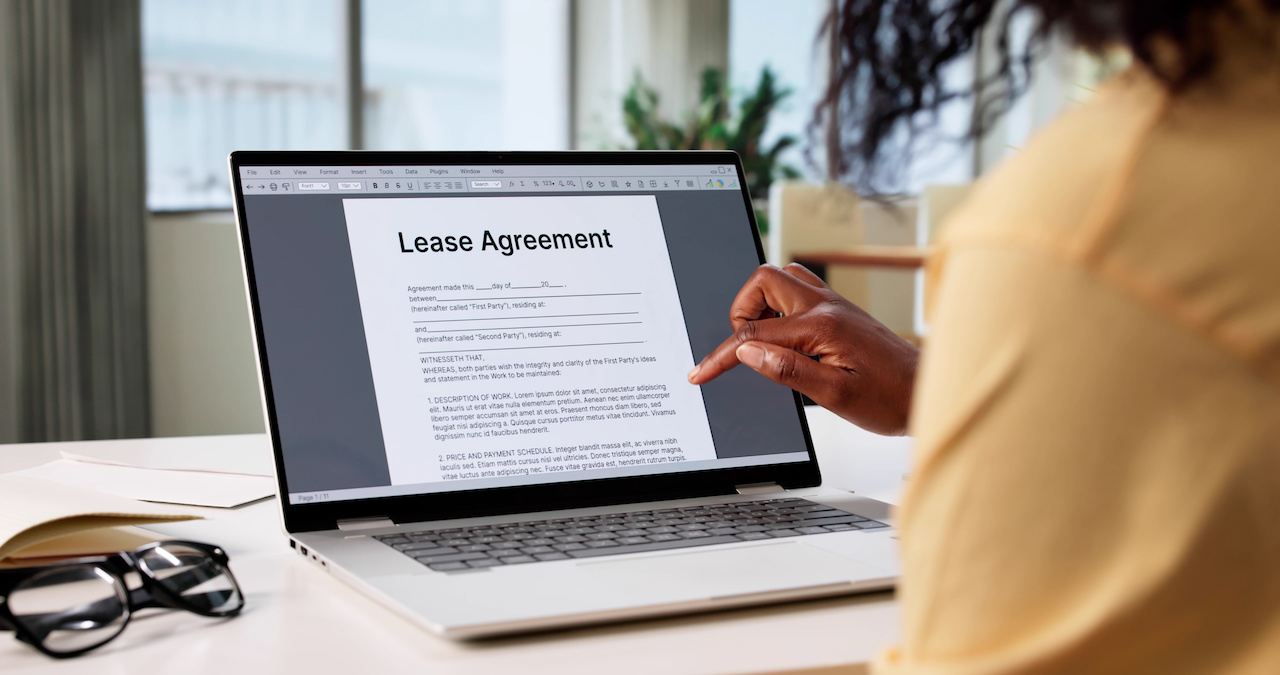
Why Leasing Often Looks Cheaper
Leasing has grown rapidly in popularity among SMEs, largely because it changes how vehicle costs are experienced. Instead of a large upfront payment, leasing replaces ownership with predictable monthly costs.
From a budgeting perspective, this can be a major advantage. Lease payments are fixed, often lower than finance repayments, and frequently include servicing, maintenance and tyre replacement.
This removes much of the financial uncertainty that comes with ownership.
There is also a tax efficiency angle. Lease rentals can generally be treated as a business expense, reducing taxable profits, subject to CO₂-based rules. For businesses managing cash carefully, this can make leasing more attractive than tying up capital in a depreciating asset.
Of course, leasing is not without compromise. Mileage limits must be realistic, vehicles need to be returned in fair condition, and there is no asset to sell at the end of the agreement. But for many SMEs, these trade-offs are outweighed by the benefits of cost certainty and lower risk.
So Which Actually Costs Less?
The honest answer is that the cheapest option depends on how the vehicle is used.
If a business buys a vehicle, keeps it well beyond five years, avoids major repair costs and sells it at a reasonable value, buying can be cheaper in the long run. This is particularly true for vans or vehicles with slower depreciation.
However, when businesses look at costs over a more typical three- or four-year cycle, leasing often comes out favourably. Once depreciation, finance interest, maintenance and downtime are accounted for, leasing can deliver a lower and more predictable total cost of ownership — especially when bundled services are included.
Many SMEs underestimate the cost of risk. Unexpected repairs, changes in emissions legislation, or sudden drops in residual values can quickly tip the balance against ownership. Leasing shifts much of that risk away from the business.
Cashflow Can Matter More Than Price
One of the biggest misconceptions in the lease-versus-buy debate is focusing solely on headline cost. For most SMEs, cashflow matters more than theoretical long-term savings.
Leasing allows businesses to preserve capital, manage costs month by month, and upgrade vehicles regularly without worrying about resale values. Buying, while potentially cheaper over a longer horizon, requires greater financial commitment and exposes the business to more variables.
The Bottom Line for UK SMEs
There is no universal right answer — but there is a right answer for each business.
Leasing tends to suit SMEs that value flexibility, predictable costs and minimal risk. Buying may be better for businesses with high mileage, specialist vehicle needs or long ownership horizons.
The key is to move beyond the headline price and look at the true cost over time, including tax, maintenance, depreciation and cashflow impact. When you do that, it becomes clear why so many UK SMEs are choosing leasing — not because it looks cheaper at first glance, but because, in practice, it often is.
nev leasing are personal and fleet management specialists helping and empowering our clients in the transition to electric vehicles.
Our team will be delighted to speak with you to discuss your personal circumstances and can offer industry leading experience and advice.
Why not contact us today for an initial chat and let us help you get to where you want to go.




![HYUNDAI I10 1.0 [63] Premium 5dr [Nav]](https://cdn.automotus.uk/store/CVD/car/104620/front_view/i10-hatch-hyi0-25.jpg)