

Why Are Some Manufacturers Scaling Back EV Production and Development?
.jpeg)
In recent years, electric vehicles (EVs) have been hailed as the future of motoring, with governments, environmental groups and much of the automotive industry championing the transition away from internal combustion engines.
Yet despite this momentum, some major car manufacturers are now rethinking their ambitious EV targets, pausing or scaling back production and development plans.
So, what’s behind this apparent slowdown?
A Market That’s Evolving, Not Collapsing
Firstly, it’s important to understand that the EV market isn’t in decline, it’s still growing, but perhaps not as quickly as some forecasters expected.
Early adopters have largely made the switch, but persuading the wider public to follow suit has proved more challenging
Demand in many regions, including parts of Europe and the UK, remains strong for affordable, practical EVs, but the appetite for premium, high-cost electric models has cooled somewhat.
Cost-of-Living Pressures and Consumer Hesitancy
One major factor is consumer affordability. High interest rates, stubborn inflation and wider cost-of-living pressures mean fewer households are willing — or able — to pay the premium that EVs still often command compared with equivalent petrol or diesel models.
In addition, while running costs can be lower, many buyers remain anxious about the upfront expense, potential depreciation and whether the current charging infrastructure can meet their everyday needs.
Infrastructure and Charging Concerns
The roll-out of public charging points has improved significantly in the UK, but in many regions it’s still patchy.
Concerns about the reliability and availability of rapid chargers continue to deter some would-be EV owners, especially those who cannot easily charge at home. This uncertainty is causing a chunk of mainstream buyers to hold off for now, which in turn affects sales forecasts and production planning.
Tough Competition and Thin Margins
Another challenge is that competition has intensified. New entrants, especially Chinese manufacturers, are producing lower-cost EVs at a pace that traditional Western car makers are struggling to match profitably.
Some legacy manufacturers have found that the margins on cheaper EVs are razor thin, if not loss-making, given the high cost of batteries and raw materials.
Rather than flood the market with cars that might erode their profitability, some brands have decided to refocus efforts on improving technology, cutting costs and aligning production with actual demand rather than forecasts that now look overly optimistic.
Policy Shifts and Mixed Signals
Policy uncertainty has also played a role. While the UK and EU remain committed to phasing out new petrol and diesel cars, shifting timelines — like the UK government’s decision to push back its ban on new petrol and diesel cars from 2030 to 2035 and then move it back again,— can make planning trickier.
If consumers sense they have more time, they may delay switching to electric. Likewise, manufacturers may redirect resources to hybrid development or to keeping existing combustion engines compliant with tightening emissions rules.
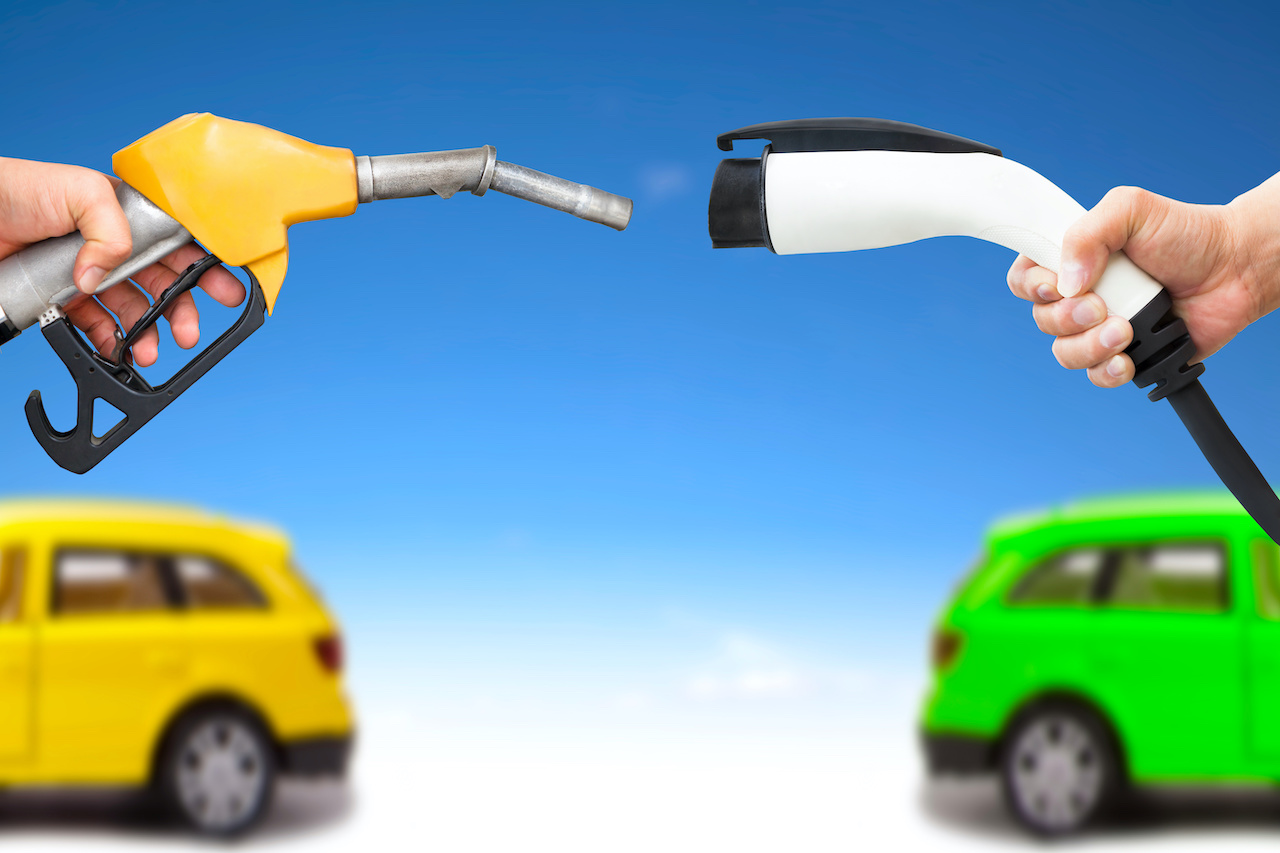
A Strategic Pause — Not an Abandonment
It’s worth noting that this is not a wholesale retreat from electrification. Most global car makers still see EVs as central to their future, but many are adjusting the pace.
Some are investing more in plug-in hybrids as a ‘bridge’ technology. Others are doubling down on battery innovation to bring costs down and improve range and charging speed.
In short, the recent slowdown reflects an industry adapting to real-world conditions: aligning supply with genuine demand, tackling cost barriers and preparing for the next wave of mainstream buyers.
Final Thoughts
Electric vehicles are here to stay, but the road to full adoption was never going to be entirely smooth or linear. For now, some manufacturers are taking a more measured approach, balancing ambition with pragmatism as they navigate economic headwinds, evolving consumer sentiment and fierce global competition.
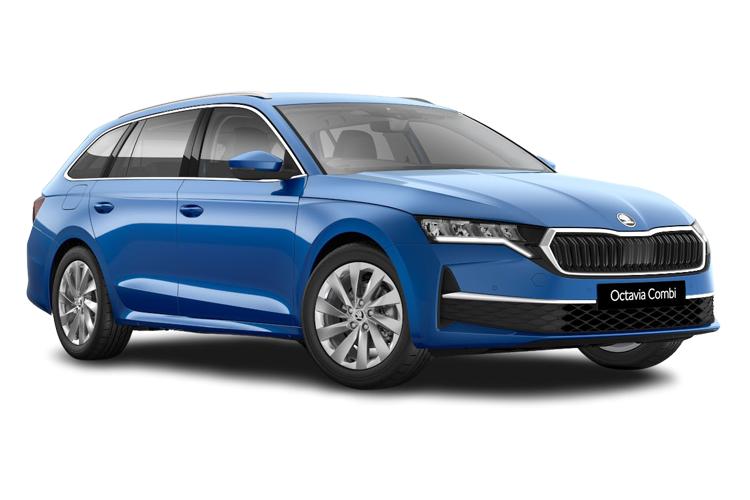
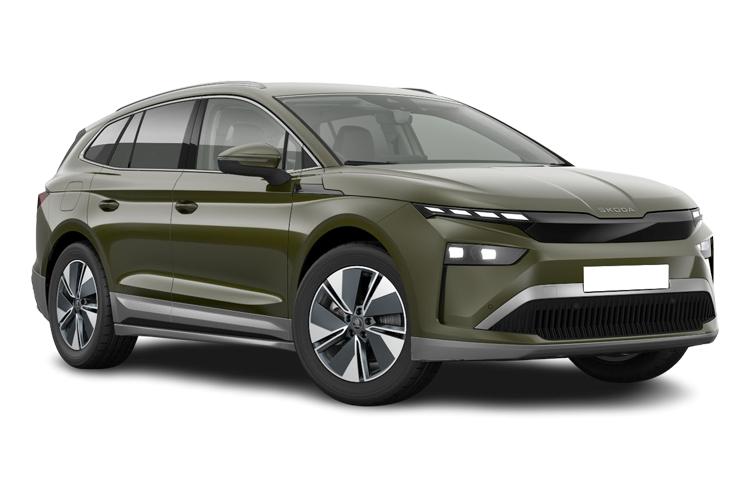
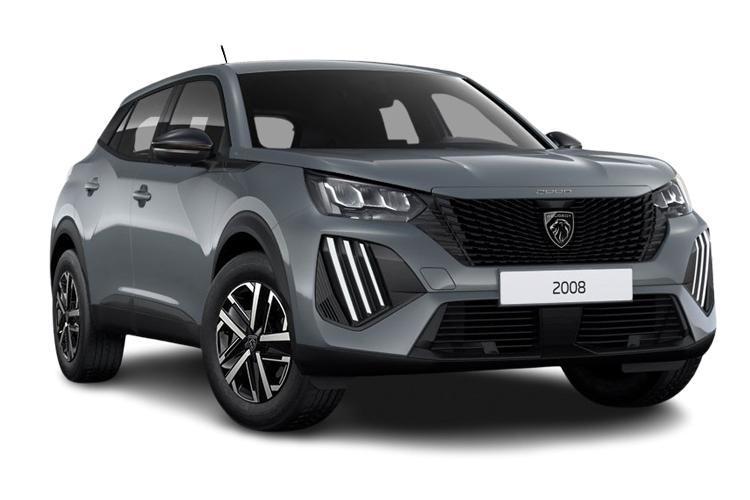
In the meantime is does mean there is a great choice of exceptional offers on petrol, plug-in and full electric cars - the carousel at the bottom of the page featuring just a handful - Click here for details on the rest !
nev leasing are personal and fleet management specialists helping and empowering our clients in the transition to electric vehicles.
Our team will be delighted to speak with you to discuss your personal circumstances and can offer industry leading experience and advice.
Why not contact us today for an initial chat and let us help you get to where you want to go




![HYUNDAI I10 1.0 [63] Premium 5dr [Nav]](https://cdn.automotus.uk/store/CVD/car/104620/front_view/i10-hatch-hyi0-25.jpg)